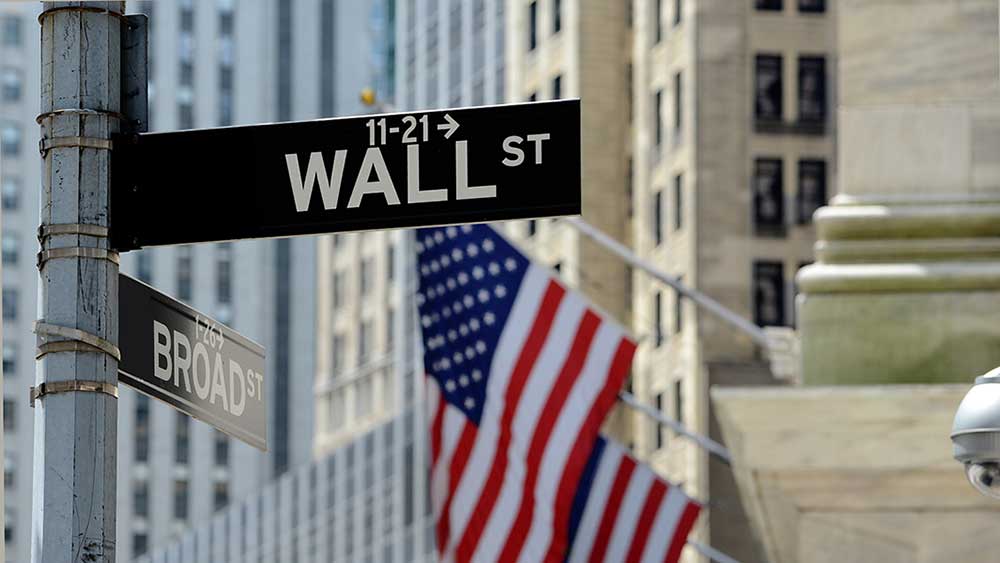
Markets are also assessing the odds for a Mideast peace plan after the US and Irn traded strikes.
News
High-signal headlines only - macro events, earnings, M&A, regulatory. Listicles and analyst clickbait filtered out by default. Refreshed hourly.
Shares of Marvell Technology, computer memory-maker Micron Technology and Advanced Micro Devices all fell sharply. Many investors may be moving portfolios out of stocks that have risen strongly this year to free up cash for the SpaceX IPO expected this week. Existing home sales in May came in ahead of forecasts.
The Dow Jones Industrial Average edged up 0.2%, and the Nasdaq composite sank 1%. Indexes swung lower after companies selling computer chips, memory and other building blocks of the AI boom broke from early gains to losses. The drops for AI stocks drowned out the benefit of lower oil prices, and most stocks in the S&P 500 rose.
June 9 (Reuters) - Wall Street's main indexes rose at the open on Tuesday, as chipmakers extended gains for a second day, while easing hostilities in the Middle East also aided sentiment.
The Nasdaq’s rebound continued on Tuesday after Wall Street sniffed another run for momentum stocks. The tech-heavy index rose 0.7%. The S&P 500 rose 0.6%. The Dow rose 350 points, or 0.7%. Chips and other stocks with momentum in recent weeks continued to bounce back from Friday’s selloff.
Wall Street looked set to see chipmakers continue their rebound on Tuesday, with investors continuing to pick through the wreckage of last week's tech sell-off ahead of key US inflation data. Futures pointed higher across the board, with contracts on the Nasdaq 100 up 0.9%, S&P 500...
What hasn’t really moved, however, is the longer end of the bond market, where yields remain elevated and forecasts for Federal Reserve rate hikes are getting increasingly aggressive following last week’s stronger-than-expected payroll data, and ahead of Wednesday’s May inflation readings. The higher yields, which have for the most part echoed market bets on a Fed rate hike before the end of the year, now priced at around 70% by the CME Group’s FedWatch, also seem to be resetting at levels that could make stock markets uncomfortable. Its closest comparison in the bond markets, the yield on 3-month Treasury bills, is holding at around 3.7%.
Warsh and the Federal Open Market Committee (FOMC) can drive the dagger into Trump's hopes for a rate cut at the June 17 meeting.

<body><p>STORY: U.S. stocks ended mostly higher Monday boosted by shares of chip companies.</p><p>While the Dow fell slightly, the S&P 500 added three tenths of one percent and the Nasdaq climbed about nine tenths.</p><p>:: Intel</p><p>Intel shares jumped 11% after news website The Information reported that Alphabet's Google had placed an order to manufacture more than 3 million tensor processing units in 2028.</p><p>:: Marvell Technology</p><p>And shares of Marvell Tech rose 9.5% after S&P announced that the company would be added to the S&P 500 index later this month.</p><p>Also, Iran and Israel said they had halted attacks on each other.</p><p>This came after an appeal from U.S. President Donald Trump that they immediately "stop shooting." </p><p>The attacks over 24 hours were the most direct confrontation between Iran and Israel since an April ceasefire in the war.</p><p>Justin Livengood, senior portfolio manager with Invesco, says he thinks regardless of when there is an end to the conflict in the Middle East, energy prices could stay higher, which could lead the Federal Reserve to raise interest rates.</p><p>“Inflation's been drifting up in general the last six to nine months, not just for oil prices but even for core elements. And that's a concern. I think that concern persists as oil and natural gas prices linger higher. And the longer that persists, the more likely we are to have a Fed feel they need to raise rates late this year. I certainly feel that right now the base case for the Fed is a hike, not a cut, as their next move. And I think with each week and month that this Middle East conflict continues. The odds of that hike get pulled forward.” </p><p>:: Apple</p><p>Other stocks on the move included Apple which dropped almost 2% after announcing a Siri revamp at its annual Worldwide Developers Conference.</p><p>:: AWS</p><p>And shares of Corning gained 5.5% after Amazon announced a multi-year multi-billion-dollar deal to buy the company's optical fiber and cables for its data centers. </p></body>
The S&P 500 added 0.3%, coming off its 2.6% drop from Friday that was its worst since October. The Dow Jones Industrial Average dipped 0.2%, and the Nasdaq composite climbed 0.9%. Some of the best performers were companies that sell computer chips, memory and other products fueling the AI boom.
Wall Street can’t agree on where it is heading next. Savita Subramanian, head of U.S. equity strategy at Bank of America and a broader market skeptic during much of the tech-paced rally that began in late March, thinks the easy market gains might be behind us. Monday’s recovery comes after Wall Street last week faced its sternest test in months, with tech leading a broader market tumble tied to accelerating bets on a Federal Reserve rate hike and the backdrop of increasing tensions in the U.S. war with Iran.
June 8 (Reuters) - Wall Street's main indexes opened higher on Monday, bouncing back from a sharp selloff in the prior session, aided by a recovery in chip stocks and signs of easing tensions in the
Shares of the electric-vehicle maker were up 1.4% at $396.65 in premarket trading, while futures were up 0.4% and futures were down 0.1%. Investors are waiting to see if some investors will sell Tesla stock to buy SpaceX shares. Technical factors like that can create short-term price distortions.
US equity investors will focus on the inflation data, a worsening conflict in the Middle East, and t
US stock futures were mixed as concerns about a Middle East ceasefire continued to weigh, and investors braced for fresh inflation data and a blockbuster SpaceX IPO this week.
There's a silver lining in the Fed's initial June inflation forecast -- but we're nowhere close to being out of the woods.
Global shares sank on Monday after Wall Street ended last week with its worst day since October, while oil prices jumped more than $4 as fighting flared between Israel and Iran. South Korea's Kospi led the global retreat, plunging 8.3% on heavy selling of technology shares and extending losses that on Friday gave the S&P 500 its biggest single day drop in months. The future for the S&P 500 was up 0.2%, while that for the Dow Jones Industrial Average lost 0.3%.
Tensions in the Gulf had already been escalating as the U.S. and Iran increasingly exchange fire, with both sides trying to establish their own shipping lanes in the Strait of Hormuz.
The Bureau of Labor Statistics will release the consumer price index on Wednesday and the producer price index on Thursday. Both inflation measures are running at multi-year highs, and the core CPI hasn’t been at or below the Federal Reserve’s two percent target in more than five years. This week also brings perhaps the most anticipated initial public offering in history: SpaceX.
The highly anticipated SpaceX IPO, Oracle earnings, and inflation data will keep investors busy this week.
Jerome Powell's successor is about to learn the hard truth that it's impossible to appease President Trump and tackle above-average inflation.

<body><p>STORY: Wall Street’s nine-week winning streak came to an abrupt halt on Friday, with the Dow dropping about one-and-a-third percent, the S&P 500 sliding more than 2.6% and the tech-heavy Nasdaq tumbling nearly 4.2%, its largest one-day percentage loss in more than a year.</p><p>Selling was concentrated among chip stocks and other technology favorites that have surged in recent weeks as the Nasdaq and S&P 500 rose repeatedly to fresh highs.</p><p>The Philadelphia Semiconductor Index erased more than $1 trillion in stock market value on Friday, suffering its largest one-day percentage plunge since March of 2020.</p><p>Eric Lynch, managing director and co-portfolio manager of Suncoast Equity Management, said tech stocks tanked due to rate-hike and AI spending concerns.</p><p>"The first factor is the blowout jobs report this morning. That has taken the chances of another Fed cut off the table for 2026. That hits long-duration, most exciting speculative stocks the most. [FLASH] But also there's been grumblings about AI, just some concerns about whether or not the token usage is really translating to great returns. And you've seen some consternation kind of bubbling up."</p><p>Among individual movers, AI chipmaker Nvidia, the largest company by market value, lost more than 6%, while Intel, Micron, AMD and Broadcom all slid between about 8% and 13.5%.</p><p>Shares of Lululemon Athletica slumped about 8.5% after the athletic apparel maker cut its annual profit forecast and projected second-quarter earnings well below Wall Street estimates.</p><p>And a more than 4% drop in bitcoin hit cryptocurrency firms, with shares of Coinbase and Strategy each tumbling about 7%.</p></body>